Detailed roof condition assessments for El Cajon homeowners and commercial property managers. We identify existing damage, document current conditions, and provide clear recommendations — so you know exactly where your roof stands.
Not every roof concern requires immediate repair. A professional inspection helps separate genuine problems from cosmetic wear — and provides the documentation needed to make sound decisions.
Santa Ana winds, heavy rain, and fallen branches can damage roofing materials in ways that are not visible from the ground. A post-storm inspection identifies lifted shingles, displaced tiles, damaged ridge caps, compromised flashing, and punctures that may lead to leaks if left unaddressed.
Ceiling stains, damp insulation, musty attic odors, or peeling interior paint are all signals that water may be entering the roof assembly. An inspection traces the likely entry point and evaluates how far moisture has traveled — information that is essential for scoping an effective roof repair.
A roof inspection conducted before a real estate transaction gives both parties a clear picture of the roof's current condition, estimated remaining service life, and any repairs that may be needed. This information supports negotiation, disclosure requirements, and informed purchase decisions for El Cajon properties.
If your roof is fifteen years old or older, a periodic inspection helps you track how materials are aging, identify developing issues before they escalate, and plan for eventual roof replacement with realistic timing and budget expectations.
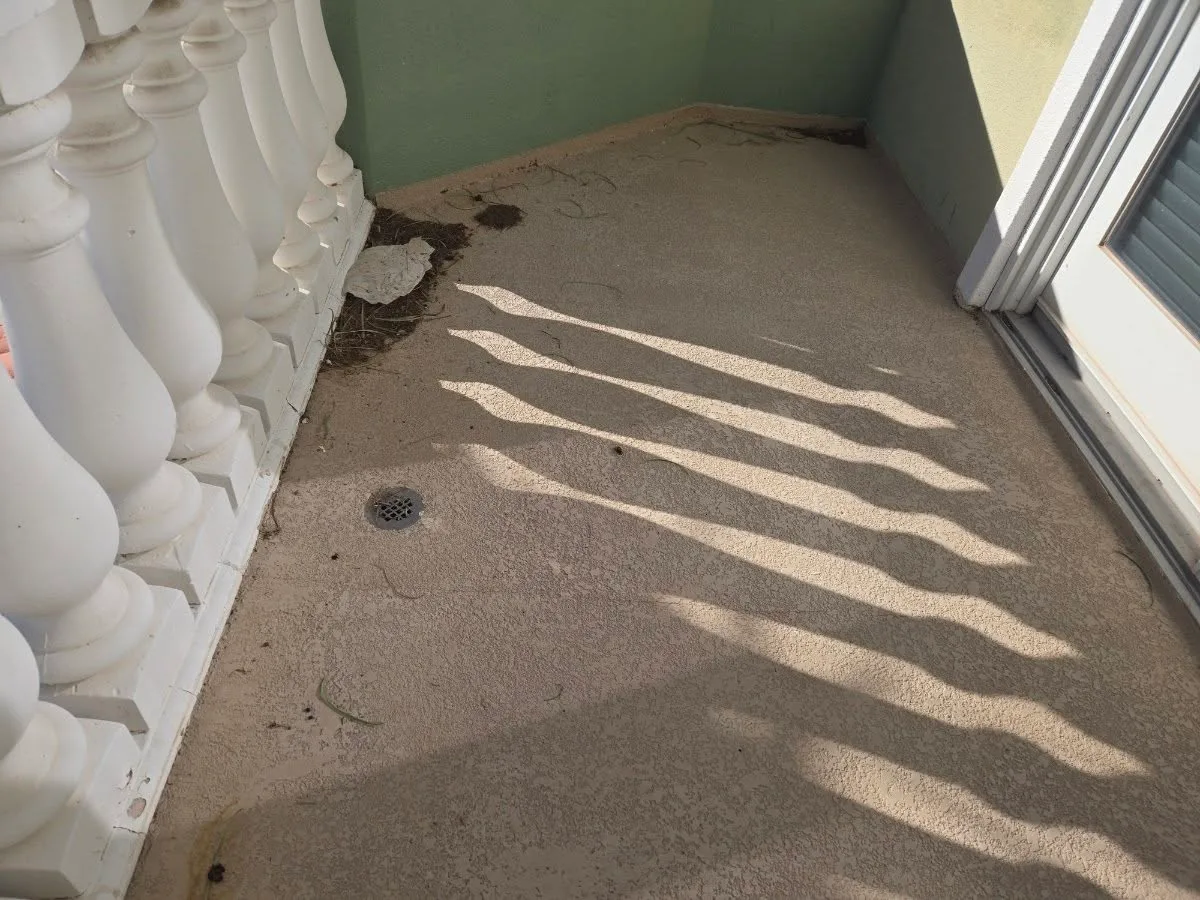
A complete roof inspection goes far beyond counting shingles from the ladder. We closely inspect critical drainage transitions, deck drains, scupper outlets, and parapet wall coatings where standing water can infiltrate.
Our inspectors verify that flashings remain securely adhered, clear away debris build-up, and provide high-resolution photo documentation so you see exactly what condition your roof is in.
We offer focused inspections tailored to the specific concern or objective — from active leaks to pre-sale evaluations.
A thorough roof inspection is more than a quick visual scan from the ground. We examine the roof surface, flashings, drainage components, and — when safely accessible — the underside of the roof deck.
We assess the overall state of the primary roofing material — shingles, tiles, membrane, or metal panels. This includes checking for granule loss, cracking, curling, brittleness, rust, blistering, open seams, and areas where materials have shifted or separated.
Every roof-to-wall transition, valley, chimney, skylight, and pipe penetration is examined for sealant failure, separation, corrosion, and improper integration. These areas account for a significant portion of roof leaks in El Cajon properties.
We check valleys, gutters, downspouts, scuppers, and internal drains for debris accumulation, proper water flow, and any evidence of ponding. Flat and low-slope roofs receive particular attention in drainage-critical areas.
When attic access is available, we inspect the underside of the decking for moisture stains, mold, daylight penetration, sagging, wet insulation, and signs of condensation — all of which provide important clues about roof performance that may not be visible from above.
Every inspection includes a written condition report with photos, area-by-area assessment, and clear recommendations — so you know exactly what your roof needs and what it doesn't.
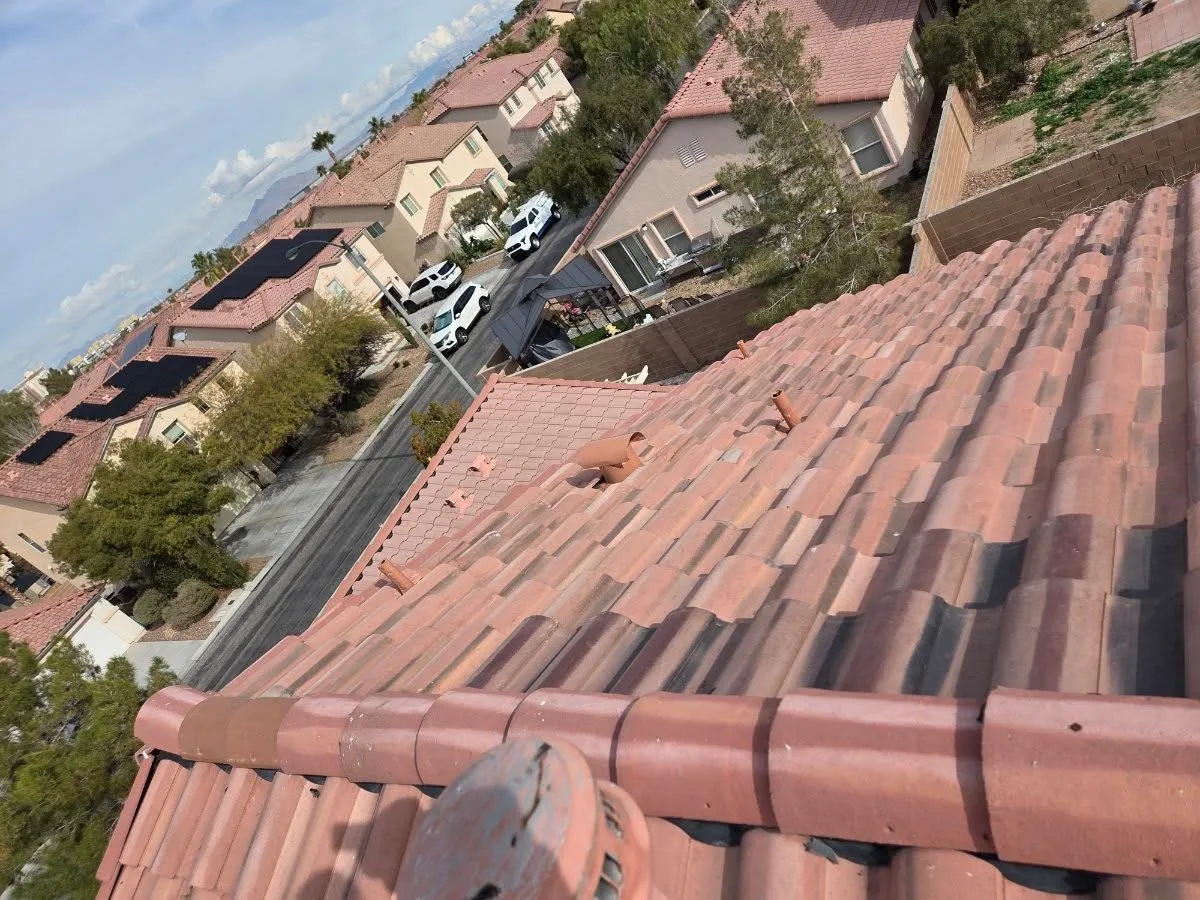
Throughout El Cajon neighborhoods, concrete and clay tile roofs endure decades of unrelenting sun. Over time, tiles shift during Santa Ana gusts, and organic debris collects within concealed valleys.
We evaluate your ridge caps, valley liners, and attic ventilation stacks from ridge to eave to identify developing problems before they cause expensive drywall and ceiling water damage.
El Cajon's climate creates a predictable set of conditions that affect roofing systems over time. These are among the most common findings during inspections of residential and commercial properties in the area.
Prolonged sunlight accelerates granule loss on asphalt shingles, dries out sealants and caulking, and makes rubber pipe boots crack and harden. South- and west-facing slopes typically show more advanced wear than shaded or north-facing surfaces on the same roof.
Santa Ana wind events can lift shingle tabs, break adhesive bonds, displace tiles, and unseat ridge and hip caps. Some wind damage is subtle — a shingle may be creased along a fold line without being fully torn, leaving it vulnerable to the next wind event or the next rainfall.
Thermal expansion, fastener movement, and sealant aging cause flashings to pull away from walls, chimneys, and curbs. Once a gap opens at a transition point, water has a direct path to the underlayment and decking beneath.
Some of the most significant findings are not visible on the roof surface. Deteriorated underlayment, soft spots in the decking, and moisture trapped between layers can only be detected through careful inspection — and are often the real reason a roof continues to leak even after surface materials have been replaced.
Every inspection follows a consistent, systematic approach so nothing is overlooked and the results are clear.
We coordinate a convenient time and review any access considerations — solar panels, steep slopes, multi-story structures, or tenant-occupied commercial buildings.
Our inspector examines all roof surfaces, flashings, penetrations, drainage components, and — where accessible — the attic and underside of the decking. Photos document current conditions.
You receive a clear summary of findings, condition ratings for key areas, photos of any concerns, and straightforward recommendations — repair, monitor, or plan for replacement.
We walk you through the findings, answer your questions, and — if repairs are recommended — provide a written scope and estimate so you can move forward with full information.
Schedule an inspection after a leak, wind event, visible roof damage, before buying or selling a property, or when the roof is approaching the end of its expected service life.
An inspection evaluates roofing materials, flashings, valleys, penetrations, drainage, ventilation, and visible signs of moisture or deck deterioration.
After the evaluation, you receive a clear explanation of the findings and recommended next steps, including whether maintenance, repair, or further evaluation is appropriate.
Additional services for El Cajon residential and commercial properties.
Visit our trusted El Cajon roofers homepage for complete roofing services.